Kashmir
Sitarama's deodh (a poetic metre) is an appeal by the Kashmiri Pandit, Birbal Dhar, to the Sikhs to conquer Kashmir. It poignantly describes the circumstances and suffering of the Hindus in Kashmir, representative of the plight of Hindus under Muslim rule in the Indian subcontinent:
Deodh
ਜ਼ੁਲਮ ਤਦੀ ਬਹੁ ਚੁੱਕੀ ਤੁਰਕਾਂ ਕਲਮ ਮੇਰੀ ਫਟ ਜਾਵੇ, ਕਰਦੀ ਹਾਵੇ।
ਦੇਵੀ ਦੇਵਤੇ ਛੱਪ ਖੜੋਤੇ ਕੌਨ ਅੱਗੇ ਹੁੰਨ ਆਵੇ, ਮੂੰਹ ਦੀ ਖਾਵੇ।
ਮੰਦਰ ਦਿਵਾਲੇ ਢਾਹ ਹਿੰਦੂਆਂ ਸਭ ਮਸੀਤ ਬਨਾਵੇ, ਪੇਸ਼ ਨਾ ਜਾਵੇ।
ਕੁਆਰੀ ਸੁੰਦਰ ਕੰਨਿਆ ਦੇਖੇ ਘਰ ਤੇ ਪਕੜ ਮੰਗਾਵੇ, ਅਨੀਤਿ ਕਮਾਵੇ।
ਲਿਜਾ ਮਸੀਤੇ ਕਰ ਮੁਸਲਮਾਨੀ ਜ਼ੋਰੀ ਨਿਕਾਹ ਪੜਾਵੇ, ਮਹਲੀਂ ਪਾਵੇ।
ਰੋ ਰੋ ਆਹੀਂ ਮਾਰਨ ਹਿੰਦੂ ਕੌਨ ਤਿਨਾਂ ਗੱਲ ਲਾਵੇ, ਕਰਦੇ ਹਾਵੇ।
ਹੱਥ ਜੋੜਨ ਤੇ ਨੱਕ ਭੀ ਰਗੜਨ ਦੇਵੀ ਨਹਿਂ ਦਰਸਾਵੇ, ਕਿ ਪਈ ਸ਼ਰਮਾਵੇ।
ਓੜਕ ਨੂੰ ਸੁਣ ਨਾਮ ਸਿੰਘਾਂ ਦਾ ਵਜ਼ੀਰ ਬੀਰਬਲ ਆਵੇ, ਵਾਸਤੇ ਪਾਵੇ।
ਹਥ ਜੋੜ ਬਡ ਦੀਨ ਹੋਇਕੇ ਕਰਦਾ ਜਾਇ ਪੁਕਾਰਾ, ਵਿਚ ਦਰਬਾਰਾ।
ਪ੍ਰਜਾ ਅਤਿ ਦੁਖ ਪਾਇ ਭੇਜਦੀ ਸੁਣੋ ਸਿੰਘ ਸਰਦਾਰਾ, ਮਾਨ ਹਮਾਰਾ।
ਧਰਤੀ ਕਿਤੇ ਨ ਝੱਲੇ ਸਾਨੂੰ ਸੁਣੀਓ ਮੇਰੀ ਪੁਕਾਰਾ, ਵਾਸਤੇ ਦਾਤਾਰਾ।
ਫੌਜ ਚੜਾਓ ਫਤਹ ਸਬ ਪਾਓ ਸਾਨੂੰ ਦੇਓ ਛੁਟਕਾਰਾ, ਦੁਖ ਵਡਭਾਰਾ।।੪੧।।
(Sitarama in Amar Singh, 1903)
Zulam tadi bauh chukki Turkan, kalam meri phat jaave, kardi haave,
Devi Devate chhap khadote, kaun agge hun aave, moonh di khaave,
Mandir diwaale dhaah Hinduan sabh Maseet banaave, pesh naa jaave,
Kuaary sunder kannya dekhe ghar te pakad mangaave, aneet kamaave,
Lijaa Maseete kar Mussalmani zori nikah padhaave, mehleen paave,
Ro-ro aahin maaran Hindu kaun tinha gull laave, karde haave,
Hatth jodhan te nuk bhi ragadan Devi nahe darsaave, ke payee sharmaave,
Odak nu sun naam Singha da, Vazir Birbal aave, vaaste paave,
Hatth jod bud deen hoye ke, karda jaaye pukaara, vich Darbaara,
Praja att dukh paaye bhejdi, suno Singh Sardara, maan hamaara,
Dharti kitte naa jhalle saanu, suniyo meri pukaara, vaste dataara,
Fauj charhao fateh sab paao, saanu deo chhutkaara, dukh vad bhaara. [41]
The Turks wreaked such havoc, that even the pen with which I write would break with the sighs it emits.
The gods and goddesses are in hiding. Who will now come to their (Hindus) rescue and face their (Turks) wrath?
They destroyed Hindu temples and replaced them with mosques, and no one could do a thing.
If they (Turks) chanced upon a beautiful young girl, they would kidnap and defile her.
They would take her to a masjid (mosque), after conversion and a forcible nikah (marriage), add her to their harem.
The Hindus cried and sighed, wondering who would come to their rescue?
With folded hands they beseeched the Devi and rubbed their nose on the ground before her, but she did not appear.
When Vazir Birbal heard of the Sikhs, he approached them for assistance.
He went to the Darbar and in all humility, and with folded hands appealed for help. “My people are suffering and have sent me to the Singh Sardars, who are our pride.
We have no other refuge in this world; please hear our plea for God’s sake.
Conquer our land with your forces and deliver us from this great tragedy.” [41]
Ballad speaks ...
Kabit
ਸੁਣੀ ਭੂਪ ਗੱਲ ਛੁੱਟਾ ਨੇਤ੍ਰਾਂ ਤੋਂ ਜਲ, ਸੀਨਾ ਗਿਆ ਵਿਚੋਂ ਸੱਲ ਕਹਿਣ ਉੱਚੀ ਸੇ ਪੁਕਾਰ ਕੇ।
ਕਰੋ ਲੋਕੋ ਧੀਰ ਅਬੀ ਮਾਰੂੰ ਕਸ਼ਮੀਰ, ਸੁੱਟਾਂ ਦੁਸ਼ਟਾਂ ਨੂੰ ਚੀਰ ਜਾ ਕੇ ਨਾਲ ਤਲਵਾਰ ਕੇ।
ਝਟ ਸਰਕਾਰ ਫ਼ੌਜਾਂ ਕੀਤੀਆਂ ਤਿਆਰ, ਮੁਖੋਂ ਕਿਹਾ ਬਾਰ ਬਾਰ ਹਰੀ ਸਿੰਘ ਕੋ ਵੰਗਾਰ ਕੇ।
ਸੀਤਾਰਾਮਾ ਬਾਝ ਤੇਰੇ ਹੋਵਣਾ ਨਾ ਕਾਜ ਓਥੇ, ਕਰੋ ਬੈਠੇ ਰਾਜ ਕਸ਼ਮੀਰ ਸ਼ਹਿਰ ਮਾਰ ਕੇ।। ੪੨।।
(Sitarama in Amar Singh, 1903)
Suni bhoop gull chhutta netran thon jal, seena gaya vichon sull kehen uchi se pukaar ke,
Karo loko dheer abi maarun Kashmir, suttan dushtan nu cheer jaake naal talwaar ke,
Jhatt Sarkar faujan keetiyan tiyaar, mukhon keha bar-bar Hari Singh ko wangaar ke,
Sitarama baajh tere hovna naa kaaj othey, karo baithey raaj Kashmir shehar maar ke. [42]
When the Maharaja heard this story, his eyes welled with tears.
His heart was deeply touched and he loudly proclaimed, “Be patient, I’ll conquer Kashmir and put the evil ones to sword”.
Sitarama says that the Sarkar immediately rallied his forces and repeatedly called out aloud to Hari Singh,
“This task cannot be accomplished without you, go conquer Kashmir and then govern it”. [42]
Ballad speaks...
ਹਰੀ ਸਿੰਘ ਸੂਰਮਾ ਤੇ ਖੜਕ ਸਿੰਘ ਕੌਰ, ਦੋਵੇਂ ਜਿੱਤ ਕੇ ਮੁਲਕ ਮਾਰੂ ਖ਼ੁਸ਼ੀ ਦਾ ਵਜਾਂਵਦੇ।
ਰਿਹਾ ਨਾ ਕੋਈ ਆਕੀ ਬਾਕੀ ਸ਼ਹਿਰ ਕਸ਼ਮੀਰ ਵਿਚ, ਜਗਾ ਜਗਾ ਉਤੇ ਠਾਣੇ ਆਪਣੇ ਬਿਠਾਂਵਦੇ।
ਬੋਲਦੇ ਜੈਕਾਰੇ ਸਿੰਘ ਬੜੀ ਧੂਮਧਾਮ ਨਾਲ, ਗੁਰਾਂ ਦੀ ਨਗਰੀ ਸ੍ਰੀ ਅੰਮ੍ਰਿਤਸਰ ਆਂਵਦੇ,
ਸੀਤਾਰਾਮਾ ਕਰਦੇ ਅਸ਼ਨਾਨ ਪੁੰਨਦਾਨ ਬਹੁ, ਮਹਾਰਾਜ ਸੋਨਾ ਸਬ ਦਰਬਾਰ ਕੋ ਚੜਾਂਵਦੇ।।੪੬।।
(Sitarama in Amar Singh, 1903)
Hari Singh soorma te Kharak Singh Kaur, doven jit key mulak maaroo khushi da vajaawndey,
Reha naa koi aaki- baaki shehar Kashmir vich, jagah-jagah uttey thaaney aapney baithaawndey,
Boldey jaikaarey Singh bhari dhoom-dhaam naal, Guran di nagari Sri Amritsar aanwdey,
Sitarama kardey ishnaan punn-daan bahu, Maharaj sona sab Darbar ko chadaawndey. [46]
The fearless Hari Singh and Kanwar Kharak Singh won the country and the trumpets heralded the victory.
No rebel remained in the city of Kashmir and Sikh pickets were stationed everywhere.
The Singhs returned to Amritsar, the city of the Gurus, with great pomp and show—shouting their traditional slogans of victory.
This was followed with a holy dip and acts of charity, says Sitarama; the Maharaja donated a large quantity of gold to the Darbar Sahib. [46]
Early Life
The Baisakhi of 1801 was a momentous occasion for Maharaja Ranjit Singh and Sardar Hari Singh Nalwa—the two men who were to create the most empowering era in the history of the nineteenth century Indian subcontinent.
For 21-year-old Ranjit Singh, the day marked his official assumption of the title of ‘Sarkar’ (government) as the ruler of the Kingdom of the Sikhs. For ten-year-old Hari, the day marked his initiation into the fold of the Khalsa of Guru Gobind Singh.
On conclusion of Khande-di-Pahul, the ceremony of initiation, Hari's surname would become ‘Singh’. For him, the event was no less significant than the coronation of a king. At the time, a similar change of suffix was usual in two other cases—among faquirs on their entering a religious order, or among heirs to the crown on ascending the throne.
Family
Hari was born in 1791 at Gujranwala, the capital city of the Sukharchakias before Lahore came into Ranjit Singh's possession. Hari's family was of 'Khatri' origin belonging to the Uppal tribe. The family had moved from Majitha, north of Amritsar, to Gujranwala in the eighteenth century.
Hari Singh's genealogy as recorded by the Panda (priests) in Haridwar reads, "Kshattriya Uppal resident of Gujranwala, Hari Singh son of Gurdas Singhji and grandson of Bishen Singhji..." The first entry in the 'Nalwa' family records was made in 1808, in Hari Singh's presence.
Hari Singh's grandfather was killed in 1762. His father accompanied Charrat Singh and Mahan Singh (Ranjit Singh's grandfather and father respectively) on all their expeditions, and received the village of Balloke near Shahdera as jagir (Griffin, 1865 : 184). Hari lost his father at the age of seven.
From Ten to Fourteen Years of Age
Details of Hari Singh's early life is recorded in ballads.
Ballad speaks...
Kabit
ਦਸਵੇਂ ਬਰਸ ਵਿਚ ਪਾਹੁਲ ਲੀਤੀ ਖੰਡੇ ਵਾਲੀ, ਛਕਿਆ ਅੰਮ੍ਰਿਤ ਖ਼ੁਸ਼ ਹੋਂਵਦੀ ਲੁਕਾਈ ਸੀ।
ਯਾਰਵੇਂ ਬਰਸ ਸਵਾਰੀ ਖ਼ੂਬ ਕਰਨ ਲਗਾ, ਸ਼ੇਰ ਵਾਂਗੂੰ ਗੱਜੇ ਵਿਚ ਕੁਵੱਤ ਇਲਾਹੀ ਸੀ।
ਬਾਰਵੇਂ ਬਰਸ ਰੀਤ ਫੜੀ ਸਰਦਾਰਾਂ ਵਾਲੀ, ਤੇਰਵੇਂ ਬਰਸ ਬਾਣੀ ਸਭ ਚਿਤ ਆਈ ਸੀ।
ਚੌਦਵੇਂ ਬਰਸ ਚਿਤ ਕਰੇ ਖੰਡਾ ਫੇਰਣੇ ਨੂੰ, ਸੀਤਾਰਾਮਾ ਰੱਤੀ ਜੋ ਨਸੀਬਾਂ ਵਾਲੀ ਛਾਈ ਸੀ।੩।।
(Sitarama in Amar Singh, 1903)
Dasvein baras vich Pahul leeti Khande vaali, chhakya Amrit khush honvdi lukaayi si,
Yaarvein baras swari khoob karan lagga, sher vaangu gajjey vich quvvat ilaahi si,
Baarvein baras reet phari Sardaran wali, tervein baras Baani sabh chitt aayee si,
Chaudhvein baras chit kare khanda pherney nu, Sitarama ratti jo naseeban wali chhayee si.
In his tenth year, he took Khande-di-pahul which was a source of joy for all (initiated into the fold of the Khalsa).
In his eleventh year, he displayed expert horsemanship, could roar like a lion, and was blessed with immense God-gifted strength.
By the age of twelve, he displayed leadership qualities. By the age of thirteen, he could recite Gurbani (Sikh Scriptures) from memory.
At fourteen, says Sitarama, he aspired to become an expert swordsman and destiny fully favoured him.
On conclusion of Khande-di-pahul, the ceremony of initiation, ten-year-old Hari came into the fold of the Khalsa of Guru Gobind Singh at which time his surname became 'Singh'.
According to Amarnath, Maharaja Ranjit Singh bestowed the title of 'Sardar' or Chief on Hari Singh in 1804. Barely thirteen years of age, he was commissioned to command 800 men comprising both sowars(cavalry) and piyade (infantry).
Reference
Amarnath (19th century). Zafarnama-i-Ranjit Singh, ed. Sita Ram Kohli. Lahore : University of Panjab, 1928, (Persian), p. 31.
At Fifteen Years of Age
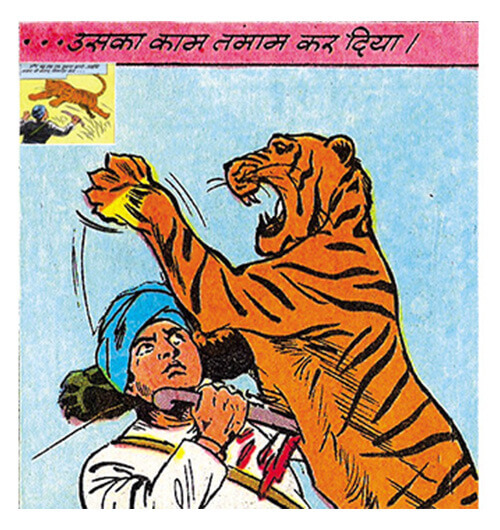
While still in his teens, Hari Singh earned the cognomen 'Nalwa' from the Maharaja after he "killed a tiger single-handed on horseback, with the sacrifice, however, of his horse" (Prinsep, 1834 : 125).
Ballad speaks...
Kabit
ਪੰਦ੍ਰਵੇਂ ਬਰਸ ਖੂਬ ਪਹਿਣਕੇ ਹਥਿਆਰ ਯਾਰੋ, ਪੈਦਲ ਘੋਲ ਕਰ ਸ਼ੇਰ ਬਾਘ ਸੁਟ ਮਾਰਦਾ।
ਸੁੰਦਰ ਸਰੂਪ ਤੇਜ ਕੋਈ ਨ ਸੰਭਾਲ ਸਕੇ, ਮੁਖੜਾ ਦੀਦਾਰੀ ਜਿਵੇਂ ਲਾਲ ਦਮਕਾਰਦਾ।
ਬਾਲਪਣ ਦੀ ਸੋਭਾ ਗੁਣ ਸੁਣ ਸੂਰਮੇ ਦੇ, ਛੋਡ ਦਿੱਤਾ ਸ਼ਤਰੂਆਂ ਨੇ ਅੰਨ ਪਾਣੀ ਘਾਰ ਦਾ।
ਸੀਤਾਰਾਮਾ ਨਾਮ ਧਾਮ ਸੋਲਵੇਂ ਬਰਸ, ਹੋ ਗਿਆ ਮਸ਼ਹੂਰ ਹਰੀ ਸਿੰਘ ਸਰਦਾਰ ਦਾ।।੪।।
(Sitarama in Amar Singh, 1903)
Pandrvein baras khoob pehen ke hathiyaar yaaro, paidal ghol kar sher bagh sutt maarda,
Sundar saroop tej koi naa sambhaal sakke, mukhra deedari jivein laal damkaarda,
Baalpan di shobha gunn sunn soorme de, chhod ditta shatruan ne ann-paani ghaarda,
Sitarama naam dhaam solvein baras, ho gya mash-hoor Hari Singh Sardar da.
By the age of fifteen, fully armed he wrestled a tiger to its death.
He was extremely good-looking and his aura sparkled.
So formidable was the reputation he had gained since childhood that the mere mention of his name was enough to make the enemy forsake food and water.
By the age of sixteen, says Sitarama, Sardar Hari Singh had gained a great reputation.
Governor
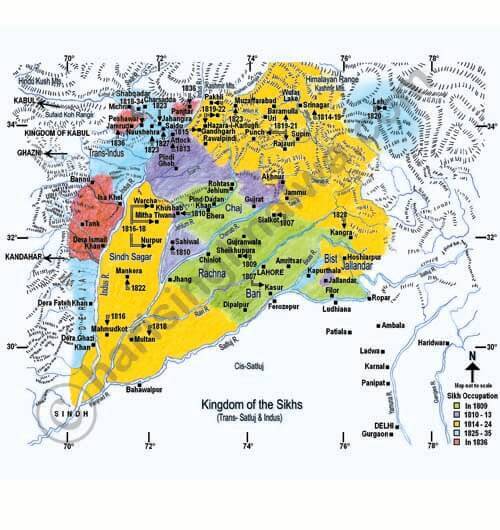
For administrative purposes, the Kingdom of the Sikhs was divided into four subahs or provinces—Lahore, Multan, Peshawar and Kashmir.
Hari Singh served as governor of :
1820-21 : Subah of Kashmir—now a part of the State of Jammu and Kashmir (India).
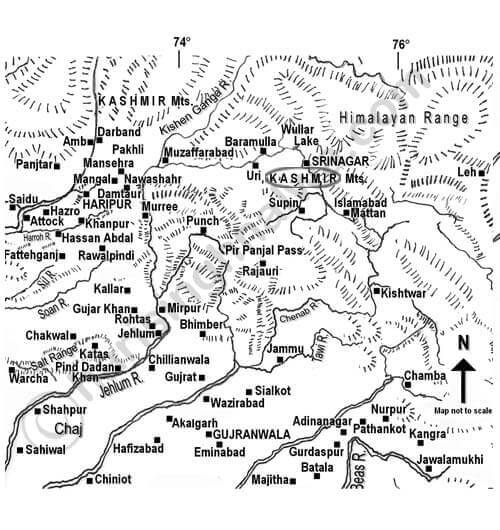
1822-37 : Greater Hazara—a part of the Sikh Subah of Lahore, now a part of Punjab (Pakistan).
1834-37 : Subah of Peshawar—trans-Indus, now a part of Khyber Pakhtunkhwa (Pakistan).
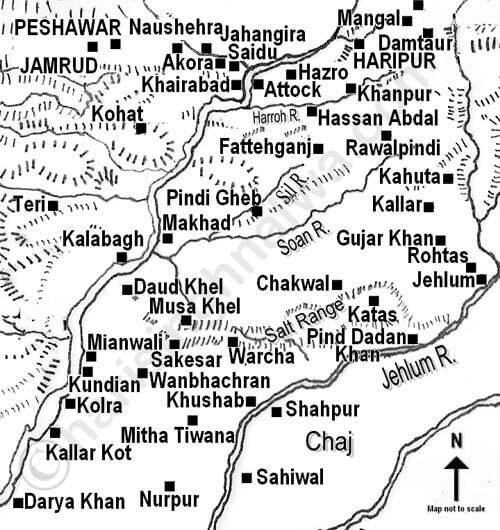
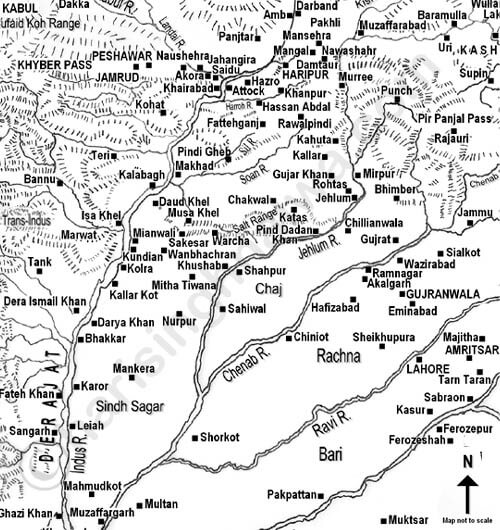
From 1822 onwards, Hari Singh Nalwa governed the entire north-west region of the Sikh Kingdom—territory falling within the subahs of Peshawar and Lahore—either as governor or in the capacity of jagirdar (feudal lord). His administrative jurisdiction covered one-third of the territory of the Sikh Kingdom. The territories under his authority later became the British Districts of Peshawar, Hazara, Attock (Chhachch, Hassan Abdal), Jehlum (Pindi Gheb, Katas), Mianwali (Kachhi), Shahpur (Warcha, Mitha Tiwana, Nurpur), Dera Ismail Khan (Bannu, Tank, Kundi), Rawalpindi (Rawalpindi, Kallar) and Gujranwala.
Kashmir (1820-21)
Hari Singh Nalwa was appointed the first Khalsa Governor of Kashmir in 1820. He governed the province for a little over a year, when the pull of the Sikh Forward Policy compelled his recall from the province.
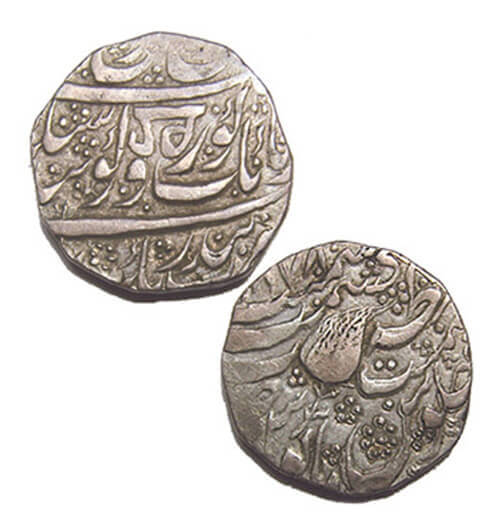
The currency minted by Hari Singh Nalwa in Kashmir when he was the governor, came to be called the 'Hari Singhee'. Following his departure from this subah, all the coins minted under the Sikhs in this province were called the 'Hari Singhee'. Thereafter, no matter who was the governor, all coins minted in Kashmir continued to be called the 'Hari Singhee'. Even following Hari Singh's death in 1837, the coin continued to be thus called (Ganeshi Lal 1846 : (4) 23).
Muslim and British historians criticised Hari Singh's tenure as the Governor of Kashmir. Archival records show that their assessment was based on an incomplete understanding of the situation.
Reference
Ganeshi Lal, (March-June 1846). Siyahat-i-Kashmir (Kashmir Nama or Tarikh-i-Kashmir), tr. Vidya Sagar Suri, 1955. Simla : The Punjab Government Record Office, monograph no. 4.
Greater Hazara (1822-37)
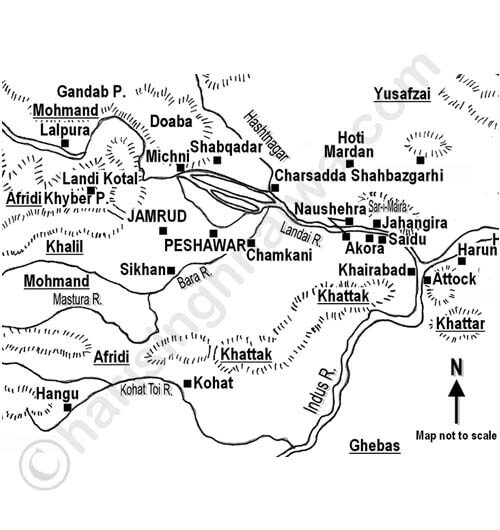
Nalwa’s executive control along the cis-Indus frontier commenced in Hazara (Darband), the junction between the outer- and mid- Himalayan ranges, and stretched to Nurpur in the Thal—south of the Salt Range. The term ‘Greater Hazara’ is used here to denote the entire extent of territory under him. In antiquity, Greater Hazara was part of Gandhara or Gandharva country. It later became a part of Chandragupta’s Mauryan Empire (325-185 BCE), when it is referred to as ‘Urasa’.
The Pothohar plateau and Rawalpindi lay between Chhachch or Chhachh in Hazara (centring about the town of Hazro), and the Salt Range (Katas). All these places formed a part of the Lahore subah. All the subahs barring Lahore, were administered by one governor. Hari Singh was concurrently the Governor of the Lahore and the Peshawar subahs.
In the nineteenth century, salt was a very precious commodity. Hari Singh Nalwa’s administrative headquarter at Katas in the Salt Range, is one of the few Sikh monuments still preserved by the Government of Pakistan.
Trans-Indus—Peshawar (1834-37)
From 1822 onwards, Hari Singh Nalwa was the 'Viceroy on the Western Frontier' of the Sikh Kingdom. Peshawar became tributary to the Sikhs in 1818. Hari Singh Nalwa was assigned the duty of keeping the ‘dab daba kayam’, i.e. make the power of the Sikhs felt along this frontier.
Peshawar was occupied by the Sikhs in 1834, at which time Nalwa was appointed its governor. He was again appointed the governor in 1836. He held this administrative position together with his role as the Commander-in-Chief of the Sikh army along this frontier.
Hari Singh Nalwa was assisted in the administration of this volatile region by his Jagirdari Fauj (army raised in consideration of the value of his fiefdom). His personal army, together with the two battalions raised by him for the Fauj-i-Khas (an elite force), were largely responsible for guarding the western frontier of the kingdom and keeping law and order till Hari Singh's death in 1837.
General
Hari Singh Nalwa was the Commander-in-Chief of the Sikh army along its most virulent western frontier—the border with the Afghan Kingdom of Kabul. Hari Singh Nalwa's early participation in the conquest of cis- and trans- Satluj territories and regions lying in the Rachna and Bari Doabs has been recorded in ballads of Punjab.
The Sikhs wrested a large part of Ahmad Shah Abdali's Empire by engaging in many battles with the Afghans. Some of the battles in which Hari Singh Nalwa actively engaged are :
1807 : Kasur (Bari Doab)—conquered from Pashtuns Mohammedzais.
1810 : Multan (Bari Doab)—grievously wounded in the attempt to wrest from Muzzaffar Khan Saddozai.
1813 : Attock (Sindh Sagar Doab)—taken from the Barakzais
1815 : Gandhgarh or Gandgarh (Hazara)—wrested from the Pashtuns.
1816 : Mahmudkot (Sindh Sagar Doab)—taken from the Saddozais.
1818 : Peshawar (trans-Indus), under Yar Mohammed Khan Barakzai, became tributary to the Sikhs.
strong>1818 : Multan (Bari Doab)—conquered from Muzzaffar Khan Saddozai.
1819 : Kashmir (Himalayas)—conquered from the Saddozais/Barakzais.
1821-2 : Pakhli & Damtaur (Hazara)—conquered from Pashtun tribes.
1822 : Mankera (Sindh Sagar Doab)—taken from the Saddozais.
strong>1823 : Naushehra (Nowshera, trans-Indus)—battle fought against the Barakzais from Kabul, who were aided by other Pashtun tribes.
1824 : Sirikot (Hazara)—taken from the Pashtun tribes.
1828-31 : Trans- and cis- Indus region—the Sikhs subdue the Wahhabi uprising led by Sayyid Ahmad (a Hindko) at the head of all the Pashtun tribes.
1832 : Peshawar (trans-Indus)—Dost Mohammad Khan Barakzai comes from Kabul to unsuccessfully engage with the Sikhs.
1834 : Peshawar—taken without a battle from Sultan Mohammed Khan Barakzai.
1836 : Jamrud (Khyber Pass)—taken from the Afridis.
1837 : Jamrud—Hari Singh, accompanied by a skeletal force, engaged with the entire Afghan army and aided by all the Pashtun tribes.
Jagirdar
- 1815-1837 : Gujranwala in the Rachna Doab; Maharaja Ranjit Singh gave his hometown as jagir to Hari Singh Nalwa; now a part of Punjab, Pakistan.
- 1819-1837 : Kachhi, Mitha Tiwana & Nurpur in the Sindh Sagar Doab; now a part of Punjab, Pakistan.
- 1819-1837 : Warcha in the Salt Range; now a part of Punjab, Pakistan.
- 1821-1837 : Hazara (Haripur, Pakhli & Damtaur, Khanpur, Dhanna); now a part of Khyber Pakhtunkhwa (Pakistan).
- 1831-1837 : Hassan Abdal, Kalargarh & Pindi Gheb (Pothohar plateau); now a part of Punjab province of Pakistan.
- 1831-1837 : Tank & Bannu in the trans-Indus region; both now a part of Khyber Pakhtunkhwa (Pakistan).
Hari Singh Nalwa’s jagir was located in the area between the river Ravi in Punjab and the bank of the river Kurram, in the trans-Indus region.
Hazara, the crown of the Sindh Sagar Doab, was the most significant of all the territories under his governance. His proceedings in this area, present the finest example of his skill as a military commander and an administrator.
The compiler of the Hazara Gazetteer acknowledged that Hari Singh Nalwa left his mark upon this district, which at that time only a strong hand like his could effectively control. "Of unbounded energy and courage, he was ruthless towards those who opposed his path. The town of Haripur fittingly perpetuates his name and the fort of Harkishangarh forms an enduring monument of his power." (Hazara 1907 : 130)
The relentless efforts of Sardar Hari Singh Nalwa, later made it possible for the British to consolidate the north-west frontier of the Indian subcontinent into a province. What he achieved in this region in a span of 15 years with limited resources and in the midst of a most turbulent population, was nothing short of a miracle.
Following the British annexation of the Sikh Kingdom, a large part of the territory under Hari Singh Nalwa’s administrative rule, was designated as the North-West Frontier Province (NWFP). After the partition of the Indian subcontinent in 1947, the NWFP became a part of a new country called Pakistan. As a part of Pakistan, it continued to be called the NWFP till 2010, when it was renamed Khyber Pakhtunkhwa.
Reference
NWFP Gazetteers - Gazetteer of the Hazara District 1907. London : Chatto and Windus, 1908.
Diplomat
Hari Singh Nalwa proved his mettle both on the field of battle and as a statesman. His diplomatic acumen was tested when he was asked to lead the complimentary Sikh mission to Simla to meet the British Governor-General. The mission was a success, however Hari Singh Nalwa's recommendations were not seriously considered by Maharaja Ranjit Singh.
Mission to Simla (1831)
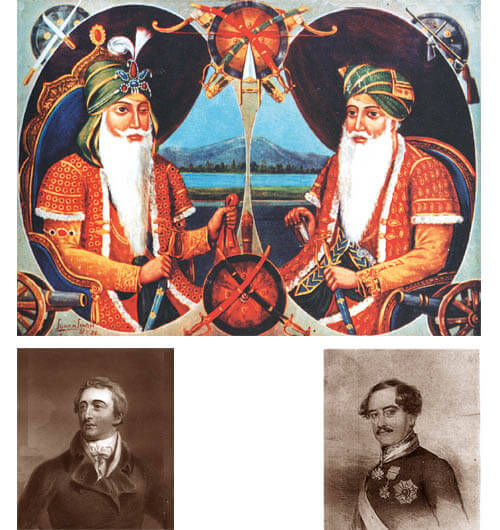
In 1831, Hari Singh was deputed to head a Sikh diplomatic mission to Lord William Bentinck, Governor-General of British India. A few months later, the famous meeting between Maharaja Ranjit Singh and William Bentinck was held on the banks of the river Satluj, at Ropar.
The East India Company desired to persuade the Sikh Maharaja, to open the Indus for trade. Hari Singh Nalwa expressed strong reservations against any such move. The most compelling reason for the Sardar’s scepticism was the scenario visible across the river Satluj—namely, the proceedings in British Hindustan. As a “wide awake” military man and an efficient administrator, Hari Singh Nalwa clearly understood both the military and trade designs of the East India Company.
Sikhs & Afghans
The story of Sardar Hari Singh Nalwa’s life is an account of Sikh-Afghan relations in the first half of the nineteenth century (Nalwa, 2009 : 42).
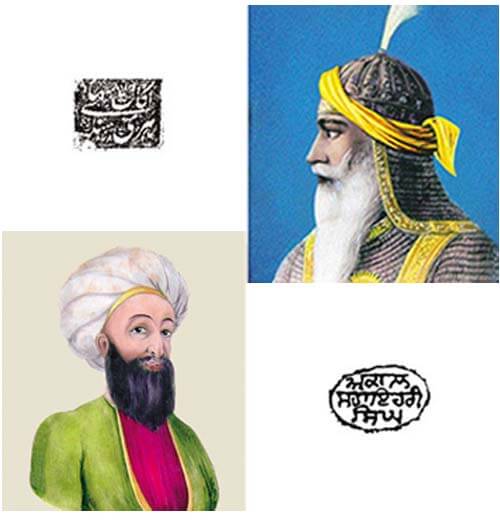
The Sardar interacted with three Pashtun dynastic representatives of the Kingdom of Kabul :
So successful was Hari Singh Nalwa in relieving the painful memories of torture and misery inflicted upon his compatriots and ancestors by the Afghans, that they “considered him the most formidable enemy they had amongst the Sikhs” (National Archives of India/ Foreign Secret Consultation 29-5-1837 : 59).
Final Frontier
Jamrud (1837)
The Battle of Jamrud between the Sikhs and the Afghans, fought on 30 April 1837, was a milestone in the history of the Indian subcontinent.
This battle confirmed the new boundary of the Sikh Kingdom at the mouth of the Khyber Pass. The outcome of this battle not only reflected how far the power of the Sikhs had progressed in 38 years of Maharaja Ranjit Singh’s rule, but it also revealed a complete reversal of eight centuries of its history.
On this occasion, a skeletal Sikh force had matched the onslaught of the entire Afghan army aided by the tribals. The Afghans retreated from Jamrud without achieving any of their stated objectives—neither could they oust the Sikhs from Jamrud nor could they take control of Peshawar. Despite knowing that Hari Singh Nalwa was grievously wounded or perhaps dead, the mere fear of his name kept the Afghan army at bay for ten days, till the arrival of Sikh reinforcements from Lahore.
"Even if the victory had been more decided”, observed the author of the Peshawar Gazetteer 60 years later, “it would have been dearly purchased by the Sikhs, with the loss of so brave a warrior as Hari Singh."
When Hari Singh Nalwa was born, the word ‘Afghan’ was a terror in the Punjab. At the time of his death, each Sikh was a match for a multitude of Afghans.
Reference
Gazetteer of the Peshawar District 1897-98. Lahore : Punjab Government, pp 73-4.
Visionary
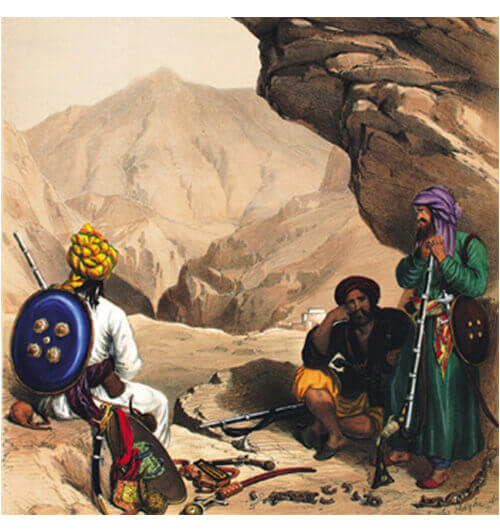
In 350 BCE, Brahmins held sway in the trans-Indus region of the Indian subcontinent. Panini, the greatest Sanskrit scholar and grammarian the world has known came from Salatura. According to Hiuen Tsiang, this town was renowned for literary talent, great knowledge and the intellectual ability of its Brahmins. So persistent and horrific were the Muslim invasions from the west that by the nineteenth century the river Indus had become the 'forbidden river' for the Hindus. It was said, "…no pious Hindoo will venture to go beyond it of his own accord, for fear of losing caste" (Vigne, 1840 : 30).
Hari Singh Nalwa broke an 800-year old psychological barrier of Muslim domination in this region of the Indian subcontinent, by annexing a large part of the Kingdom of Kabul (Ahmad Shah Abdali’s Afghan Empire) to the Kingdom of the Sikhs. The secular rule of the Sikhs, empowered the non-Muslims inhabiting the trans- Satluj and Indus regions of the Indian subcontinent (Nalwa, 2009 : 288-9).
"The natives of India, are not much addicted to curious investigation" wrote an Englishman in the eighteenth century, "and are generally inattentive to the history of their own country" (Forster, 1798 : (1) 15). Contrary to the Englishman’s observations, Hari Singh Nalwa was reportedly inquisitive and put forth a variety of questions to visitors. The Sardar was well informed on the statistics of many European States and the policy of the East India Company. When Hügel, an Austrian, and Vigne, an Englishman, visited him he requested them for information about the names of the different countries in Europe, their capitals and extent, and took notes for his own information (Vigne, 1842 : (1) 235-6; Hügel, 1845 : 255).
Not only was Hari Singh Nalwa a talented military commander, he was open-minded and constantly endeavoured to extend the boundary of his knowledge. His achievements show that he was never afraid of failures and took unimaginable risks. His leadership qualities were exceptional and he inspired his men into action. He was so generous that his spirit of philanthropy entered the ballads of the time :
Ballad speaks...
ਬੇ—ਬਹੁਤ ਹੋਇਆ ਹਰੀ ਸਿੰਘ ਦੂਲੋ, ਜਿਹਦਾ ਨਾਮ ਰੌਸ਼ਨ ਦੂਰ ਦੂਰ ਸਾਰੇ।
ਦਿੱਲੀ ਦੱਖਣ ਤੇ ਚੀਨ ਮਾਚੀਨ ਤਾਈਂ, ਬਾਦਸ਼ਾਹਾਂ ਨੂੰ ਖ਼ੌਫ਼ ਜ਼ਰੂਰ ਸਾਰੇ।
ਰਾਜਾ ਕਰਣ ਤੇ ਬਿਕ੍ਰਮਾਜੀਤ ਵਾਂਗੂੰ, ਹਾਤਮਤਾਈ ਵਾਂਗੂੰ ਮਸ਼ਹੂਰ ਸਾਰੇ।
ਕਾਦਰਯਾਰ ਜਹਾਨ ਤੇ ਨਹੀਂ ਹੋਣੇ, ਸਖੀ ਉਹ ਬੁਲੰਦ ਹਜ਼ੂਰ ਸਾਰੇ।।੨।।
(Qadir Bakhsh urf Kadaryar, 1840)
Bey—Bahut hoya Hari Singh doolo, jida naam raushan door-door saare,
Dilli Dakhan te Cheen Macheen taayn, Baadshanha nu khauf zaroor saare,
Raja Karan te Bikramajit vaangu, Hatam Tai vaangu mashoor saare,
Kadaryar jahaan te nahi hone, sakhi oh buland hazur saare. [2]
Bey—Hari Singh was exceptionally brave; his name and fame travelled afar.
Kings in Delhi, Deccan, China and Tibet trembled at the mere mention of his name.
The legendary Raja Karan, Raja Bikramajit and Hatim Tai were all famous, says Kadaryar,
But none could match him (Hari Singh) in philanthropy. [2]
Towns
Some famous towns associated with Hari Singh Nalwa include : Gujranwala (Punjab, Pakistan) : Maharaja Ranjit Singh gave his ancestral lands of Gujranwala to Hari Singh Nalwa as jagir around 1815. In the twenty-two years that Nalwa held Gujranwala as a jagir (1815-1837), he transformed it from being an inconsequential hamlet in the late eighteenth century, to a chief town in the nineteenth.
Reverend Cave-Browne visited Gujranwala in the 1850’s and reported that Hari Singh Nalwa was remembered as the greatest benefactor of the place, being credited with having built its 'New Town'.
In the twenty-first century, Gujranwala is a flourishing city in the Punjab province of Pakistan.
Haripur (Hazara, Khyber Pakhtunkhwa, Pakistan) : Hari Singh Nalwa was given Hazara in jagir by Maharaja Ranjit Singh in 1822, following his victory in the battle of Mangal and the conquest of Damtaur.
Between 1822-23, Nalwa commenced building a new town in the midst of the most hostile area in the Hazara plains. This was a planned town, with the natural features being used to its great advantage. Initially, the town was protected with a thick wall and a strong fort in its vicinity, provided it additional security. When the Austrian-German, Baron Hügel, visited the place in the mid 1830’s, he found it a flourishing town. At this time, such a sense of security prevailed that the protective wall around the town had crumbled (Hügel, 1845 : 207).
Forts
The most famous forts built by Hari Singh Nalwa include :
Peshawar (Khyber Pakhtunkhwa, Pakistan) : the fort was built on the site of the Bala Hissar of the Mughal/Afghans by Hari Singh, who renamed it Sumergarh. The fort built by the Sikhs continues to overlook the city of Peshawar in the 21st century.
Katas (Salt Range, Punjab, Pakistan) : the fort can still be seen in the midst of Hindu and Buddhist temples in Katas Raj.
Gujranwala (Punjab, Pakistan) This fort was destroyed by the British following the annexation of Punjab.
Harkishangarh (Haripur, Khyber Pakhtunkhwa, Pakistan) : vestiges of this fort can still be seen.
Gardens
Hari Singh ka Bagh
Hari Singh was an avid lover of nature and a great promoter of horticulture. The highest appreciation for Nalwa’s private garden at Gujranwala comes from Baron Hügel, who had devoted his life to the study of natural history.
“The splendour of the rooms in the palace did not excite my admiration nearly so much as the garden, which was the most beautiful and best kept I had seen in India. The trees were loaded with oranges, of the same kind known in China as Mandarin oranges, but much larger and finer, here called the Santreh orange; Hari Singh has also transported the plane-tree from Kashmir, which seems to flourish exceedingly well in its new locality. An odour almost overwhelming ascended from the jonquils, which were in immense abundance, and of an incredibly large size. Nothing, in fact, could be more carefully adorned with lovely flowers and plants of various kinds, than this garden, which evidently formed one of the chief delights, and sometimes the occupation of its owner: it reminded me of my own at home.” (Hügel, 1845: 253-4)
Nalwa’s garden had some fine cypress trees and two or three large vineries. It became famous in Punjab for its variety of rare trees and plants. Many years later, when Malta oranges were introduced in Punjab they were first grown there.
Hari Singh provided large open green spaces in the form of gardens in the outskirts of towns he built and/or administered. There were three Hari Singh ka Baghs to be found in the Kingdom of the Sikhs.
Amritsar (Punjab, India)
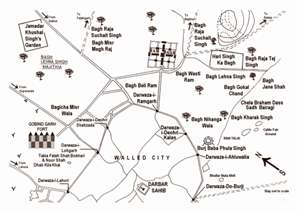
In Amritsar, Hari Singh ka Bagh was located to the east of Maharaja Ranjit Singh’s Rambagh palace. The place was outside the walled city of Amritsar, on the Batala road. It was used as an encamping ground for Hari Singh Nalwa’s forces when on a visit to the Holy City. In the early nineteenth century there was a large lake in its vicinity, which made it well-suited for camping. A haveli for residence of the Sardar and his family stood within the confines of the Bagh.
Srinagar (Kashmir, India)
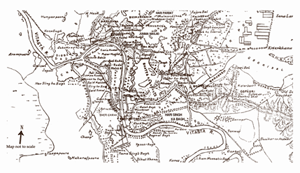
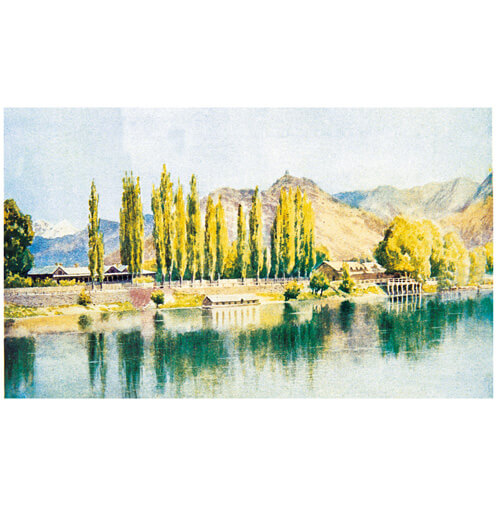
In Srinagar, Hari Singh Nalwa’s garden was situated on the right bank of the Jehlum :
“The river passes within half a mile of the foot of the Tukt, and is nearly two hundred and fifty yards in width, before it enters the city. Its banks are fringed with willows, and among them is a summer-house, with a white cupola, built by the Sikh governor, Huri Singh. An avenue of poplars of nearly a mile in length, runs through the cornfields parallel to it, from the foot of the Tukt, to the Amir’s bridge; close to which is the Shyr Gurh (the city fort), or residence of the Governor…” (Vigne, 1842: (2) 64).
Haripur (Hazara)
Northeast of the fort of Harkishangarh, in the direction of Sikanderpur (Town of Alexander), was an orchard in Haripur known as Hari Singh ka Bagh. The British later converted a portion of Hari Singh ka Bagh at Haripur into a cemetery.
“Pretty little canals cut out of the Dor stream run racing about the town. The borders of Haripur are draped with a voluptuous profusion of jasmine flowers and garden full of prunes and apricots and mango and mulberry. The cool shades of the gardens and flowing canals make Haripur a little, poor man’s paradise in hot summer.” wrote Puran Singh, a poet and resident of Hazara in the early 20th century.
Shrines
Hari Singh Nalwa built a number of religious shrines, including two mosques—one in Haripur and another in Gujranwala (Prem Singh Hoti 1937 : 268).
Panja Sahib Gurdwara in Hassan Abdal (north of Rawalpindi, Pakistan) : Hari Singh Nalwa built this Gurdwara and named it Panja Sahib (Shahamet Ali, 1849: 158-9). This shrine continues to attract a large number of Sikhs from around the world in the 21st century.
Akal Takht, Amritsar :
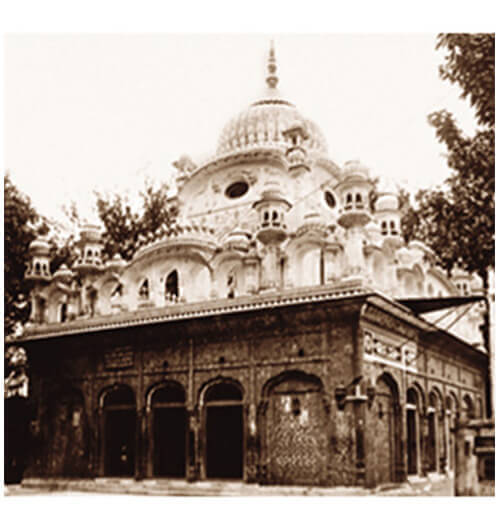
Hari Singh Nalwa was remembered in the holy city of Amritsar (Punjab, India) for the embellishments he commissioned within the Harmandar Sahib (Golden Temple) complex. He had wished to make the Akal Takht resplendent with gold and had donated a part of his wealth for this purpose.
Accolades
Historians and statesmen have commented on the achievements of Sardar Hari Singh Nalwa :
"...champion of the Khalsaji"
Lepel Griffin (1865). The Panjab Chiefs.
(Bengal Civil Service, Assistant Commissioner, Lahore).
"...builder of the Sikh Empire"
A.S. Sandhu (1935). General Hari Singh Nalwa 1791-1837.
(Sikh historian).
On being asked about the Sikh Kingdom, Mohan Lal informed Abbas Mirza—the Persian Qajar crown prince and military commander during wars with Russia and the Ottoman Empire) :
"...if Sardar Hari Singh were to cross the Indus, his highness would soon be glad to make good his retreat to his original government in Tabriz"
Mohan Lal Kashmiri (1846). Travels in the Panjab, Afghanistan, and Turkistan, etc.
(In service of the East India Company).
"The noblest and the most gallant of the Sikh generals of his time, the very embodiment of honour, chivalry, and courage..."
K.M. Panikkar (1930). The Founding of the Kashmir State.
(Historian, Author, Diplomat and Editor of Hindustan Times).
Stamp Release
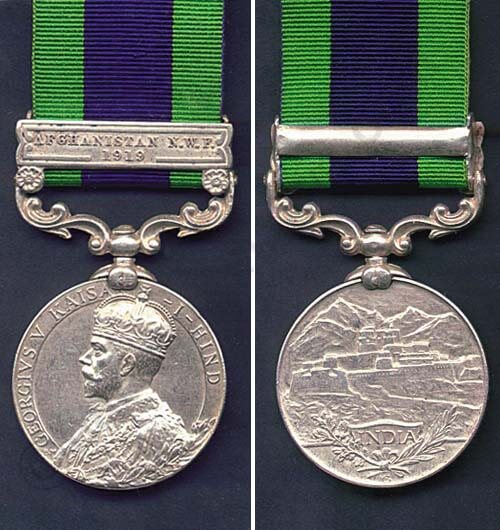
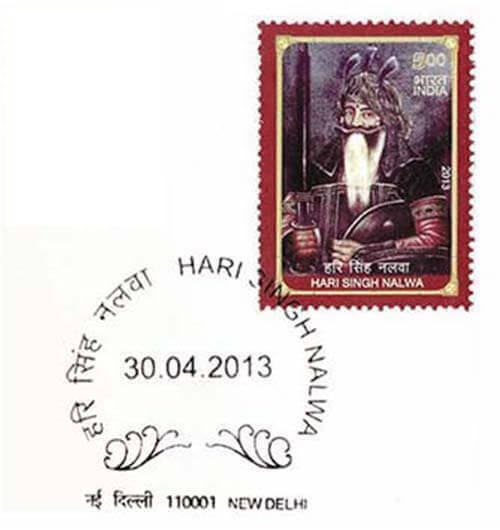
Government of India released a postage stamp to commemorate Hari Singh Nalwa
India Post's commemorative postage stamp honouring General Hari Singh Nalwa was released by Shri Kapil Sibal, Minister of Communications & IT, on 30 April 2013. Many serving and retired officers of the Indian Armed Forces and descendants of the leading Sardaris (Misls) of Punjab graced the occasion.
Brigadier Sukhjit Singh, MVC, grandson of Maharaja Jagatjit Singh of Kapurthala, and Sardar Narinder Jit Singh Bindra, Chairman of Uttarakhand Minorities Commission and Prabandhak of the Sri Hemkunt Trust of the renowned Gurdwara Sri Hemkunt Sahib, shared the stage with the Minister. The function was held under the aegis of the Punjabi Academy and Hari Singh Nalwa Foundation Trust at India International Centre in New Delhi. The day of the stamp release marked the 176th anniversary of General Hari Singh Nalwa's martyrdom. He died in 1837, in the Battle of Jamrud fought between the Sikhs and the Afghans at the mouth of the Khyber Pass.
On this occasion, the Minister spoke about Hari Singh Nalwa's military and administrative achievements and secular attitude, which contributed to his stupendous success under very trying circumstances. He referred to Hari Singh Nalwa as a "great nationalist".
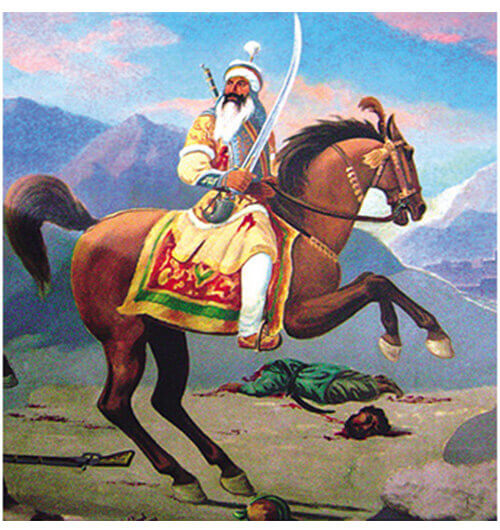
The slide-show preceding the stamp release showcased General Hari Singh Nalwa's most significant victories in battle and the geographical areas under his jurisdiction. Killing a tiger with a dagger had earned 'Hari Singh' the cognomen 'Nalwa'. The image depicting this event was taken from an issue of India's largest selling comic book series Amar Chitra Katha created by Anant Pai and published by India Book House.
Shri Sibal released the stamp displayed in a special album. The Minister then unveiled the poster image of the stamp; following which he formally released the biography of General Hari Singh Nalwa in English and Gurmukhi.
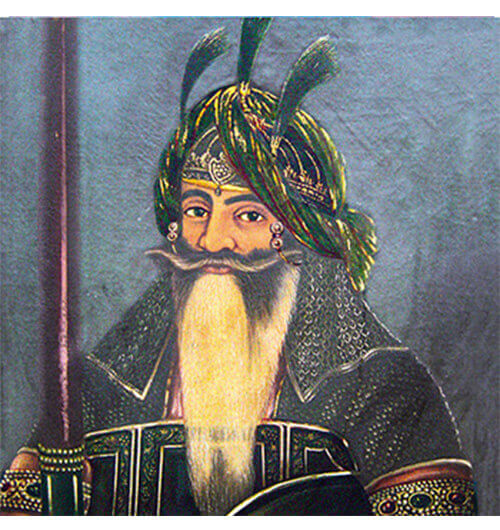
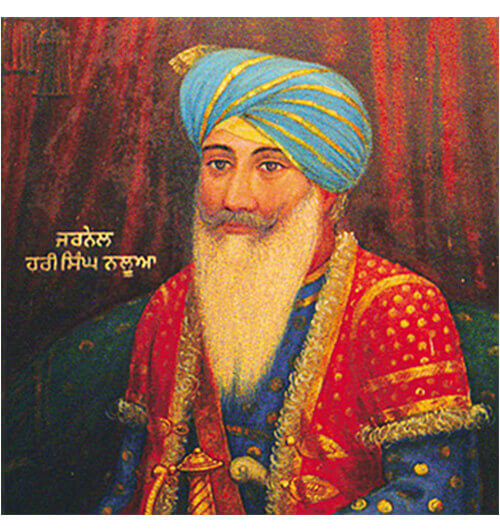
The General's portrait reproduced on the stamp is from an oil painting, executed in the 19th or early 20th century in undivided Punjab of British India. At the time of the partition of the Indian subcontinent, this painting was given to India from the vast holding of the Lahore Museum. The painting is presently a part of the collection of the Maharaja Ranjit Singh Museum in Amritsar.
The first day cover depicts Nalwa's Fort of Jamrud. Hari Singh laid the foundation of this fort in 1836, and it still stands sentinal at the entrance to the Khyber Pass. When the fort was built it had 10 feet (3 metre) thick walls. It is today popularly referred to as the Fort of Jamrud, but was originally named 'Fatehgarh' to commemorate the Sikh victory over the Afghans at this frontier. The General's last battle was fought on the vast plain that lay in front of the fort. Following the partition of the Indian subcontinent, this region became a part of Pakistan's North-West Frontier Province and is now known as Khyber Pakhtunkhwa. The Philately Department prepared a brochure for this occasion, which briefly describes the life of General Hari Singh Nalwa.
The programme has been uploaded on YouTube :
Release of Commemorative Postage Stamp & Books
Family Tree
Under construction
Biography
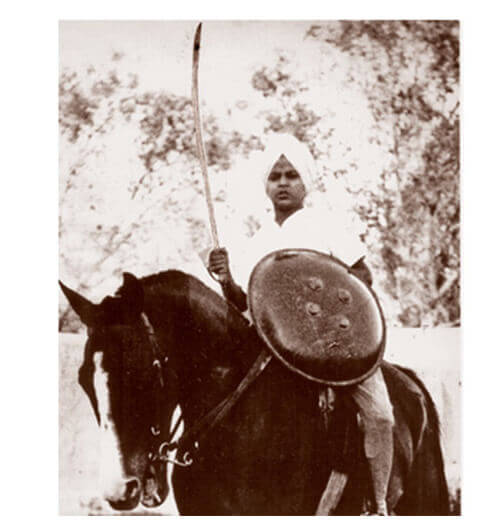
Hari Singh Nalwa's life and achievements have been documented in English, Gurmukhi, Hindi, Marathi and Urdu :
‘Aman’, Ranjit Singh. (1973). Jeeven General Sardar Hari Singh Nalwa. Amritsar : Shiromani Gurdwara Prabandhak Committee, (Gurmukhi).
Ashok, Shamsher Singh.
— (1950). (ed.) Prachin Jang-Namé. Amritsar : Sikh Gurdwara Prabandhak Committee, (Gurmukhi).
— (1990). Veer Naik Hari Singh Nalwa. Patiala : Panjabi University, (Gurmukhi).
Bhandari, Gopal Das. (1902). Karnama-i-Nalwa. Ambala : Suraj Mall and Co., (Urdu).
Chand, Misr Hari urf Qadaryaar. ‘Jang Peshaur Singha te Pathana di’. In Gobind Singh Lamba (ed.), 1999, Chonnvian Punjabi Siharphian. Patiala : Languages Department, (Gurmukhi).
Das, Narayan. (nd.). General Hari Singh Nalwa. Lahore : Mufid-i-Am Press, (Urdu).
Dayal (Dial), Ram. ‘Jangnama Sardar Hari Singh’. In Ganda Singh (ed.), rpt., 1946, Punjab Dian Varan. Patiala : Panjabi University, 1990, (Gurmukhi).
Gurmat Prakash, Special issue on Hari Singh Nalwa, (May 1992). Amritsar : Dharam Prachaar Committee. 39 : (2), (Gurmukhi).
Hoti, Prem Singh. (1937) 1950. Jeeven Birtant S. Hari Singh Nalwa. Ludhiana : Lahore Book Shop, (Gurmukhi).
Johar, S.S.
— (1982). Hari Singh Nalwa. New Delhi : Sagar.
— (1996). Sikh Warriors: Hari Singh Nalwa. Delhi : National Book Shop.
Kadar Yar. (1925). Sardar Hari Singh Nalwa, Siharfi. Lahore : Gurdial Singh and Son, (Urdu).
Kadaryar. (1840). ‘Siharfi Sadar Hari Singh Nalwa’, In Gurmukh Singh (ed.), 2003, Kadaryar. Chandigarh : Lokgeet Parkashan, 136-40, (Gurmukhi).
‘Kadiryar’, Missar Hari Chand. Si-harfian Hari Singh Nalwa. In Ganda Singh (ed.), 1965. Patiala : Punjabi University, (Gurmukhi).
Kapur, Prithipal Singh (ed.). (1993). Perspectives on Hari Singh Nalwa. Jalandhar : ABS Publications.
Kaushik, A. (2012). Veer Harisingh Nalwa. New Delhi: Hindi Sahitya Sadan, (Hindi).
Kishan, Ram. (1927). Sardar Hari Singh Nalwa. Lahore : Author, Lohari Gate, (Urdu).
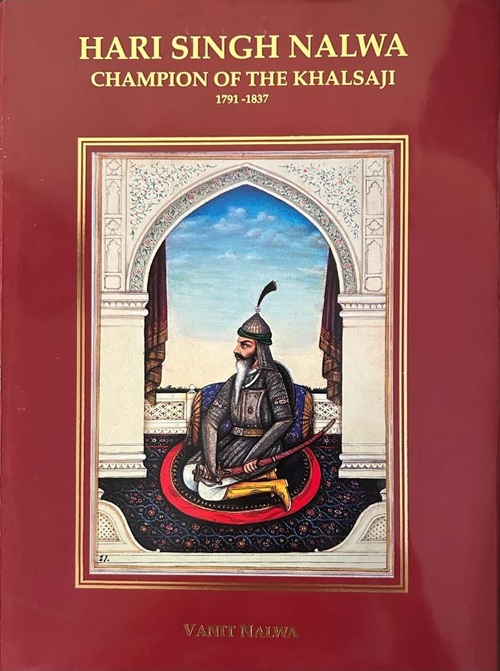
Nalwa, V. (2009). Hari Singh Nalwa—Champion of the Khalsaji. New Delhi : Manohar.
Nayyar, G.S.
— (1997). 2005. Life and Accomplishments of Sardar Hari Singh Nalwa Marshal of the Khalsa. Amritsar : Dharam Prachar Committee, Sikh Gurdwara Prabandhak Committee.
—1995. The Campaigns of General Hari Singh Nalwa. Patiala : Punjabi University.
Pai, Anant (ed). (1978). Hari Singh Nalwa, Amar Chitra Katha Series No. 175/774. Bombay : India Book House Pvt . Ltd., (English & Hindi).
Pendse, Vinayak Vishwanath. (1951). Sardar Hari Singh Nalwa. Poona.
Ram, Ghasita. (1907). Karnamah-i-Nalwa. Lahore : Kutab Khana-i-T.C. Gujrati, (Urdu).
Sandhu, A.S. (1935). General Hari Singh Nalwa 1791-1837. Lahore : Cunningham Historical Society.
Seetal, D.S. (1956). Jeevan Sri Hari Singh Nalwa. Amritsar : Seetal Sahit Bhawan, (Gurmukhi).
Singh, Amar. (1903). Chamakda Hira ya Jivan Britant Sri 51 Maan Sardar Hari Singhji Nalwa, Commander-in-Chief Khalsa Fauj, Governor of Peshawar va illaka Hazara etc. Lahore : The Khalsa Agency Lahori, (Gurmukhi).
Singh, Gulcharan. General Hari Singh Nalwa. Sikh Review, 24 (274), Oct. 1979, pp. 36-54.
Singh, Gurmukh. (nd) ‘Siharfi, Jangnama Hari Singh Nalwa’, as reproduced in the Descriptive Catalogue of Manuscripts in Gurmukhi Script, comp. Sardar Singh, 2004. Amritsar : Guru Nanak Dev University, 83.
Singh, Kuldip. (nd.) Sardar Hari Singh Nalwa. Amritsar : Kuldip Press, (Gurmukhi).
Singh, Suraj. (1912). Chamakde Lal, Sardar Hari Singh Nalwa. Amritsar : Chattar Singh Jiwan Singh, (Gurmukhi).
Toofan, Giani Tarlok Singh. (1949). Ankhila Jarnail (Sardar Hari Singh Nalwa). Amritsar : Bhai Mehr Singh Surinder Singh, (Gurmukhi).
Legends
The oral tradition has been robust in the Indian subcontinent and nowhere more than in Punjab. The Punjab Census Report of 1881, revealed the presence of over 150,000 minstrels in the erstwhile Sikh Kingdom (Ibbetson, 1883: 232-3). These wandering musicians sang ballads, folklore and other traditional forms of poetry that often carried a socio-political message. They drew the attention of their audience to the significance of a past event in the light of prevailing conditions. Their songs highlighted acts of heroism.
On the psychological plane, this poetry focused on the struggle between good and evil. Most aspects of their poetry related to actual events. Besides Vars, Jangnamas and other epic forms, the heroic tradition in Punjabi poetry had been preserved through the diverse poetic metre of siharfis, kabits, swayyas, dohras, deodhs, etc.Reference
Ibbetson, D. (1883). Panjab Castes, rpt.1970. Patiala: Languages Department.
Conquest of Sialkot
In 1808, Sardar Jeevan Singh Sialkotia clashed with the fauj or army of the Lahore Darbar. Amar Singh recounted Hari Singh’s role in the conquest of Sialkot. Besides the information culled from Sitarama’s poetic rendition of Hari Singh’s life, this nineteenth-century author/poet also incorporated the narrative of an 85-year-old Sikh soldier. His referral had served as a Subedar of a paltan (platoon) for 28 years in the Sikh Army. He had seen Hari Singh Nalwa many a time. He had also heard of the Sardar’s exploits from those who personally knew him (Amar Singh, 1903 : 2-3).
According to the Subedar’s version, Sardar Hari Singh led the Lahore forces in the Battle of Sialkot. Both sides were evenly matched. On the second day, the Sardar stormed the Qila (fort) along with Hukma Singh Chimni. He scaled the wall and planted the Sikh standard atop the fort (Amar Singh, 1903 : 14-15).
Kadaryar confirms Hari Singh Nalwa’s participation in the conquest of Sialkot :
Ballad speaks...
ਕਾਫ਼—ਕੋਈ ਜਹਾਨ ਤੇ ਨਹੀਂ ਹੋਨਾ, ਹਰੀ ਸਿੰਘ ਜੇਹਾ ਵੱਡੀ ਓਟ ਵਾਲਾ।
ਪਹਿਲਾ ਹਥ ਸਰਕਾਰ ਨੂੰ ਦਸਿਆਸੂ, ਕਿਲਾ ਫ਼ਤਿਹ ਕੀਤਾ ਸਿਆਲਕੋਟ ਵਾਲਾ।
ਦੂਜਾ ਹਥ ਸਰਕਾਰ ਨੂੰ ਦਸਿਆ ਸੂ, ਕਿਲਾ ਮਾਰ ਮੋਇਆ ਜਮਰੌਦ ਵਾਲਾ।
ਕਾਦਰਯਾਰ ਜਹਾਨ ਤੇ ਨਹੀਂ ਰਹਿਣਾ, ਲਸ਼ਕਰ ਮਿਲ ਗਿਆ ਜੇ ਮੁਲਕੁਲ ਮੌਤ ਵਾਲਾ।।੨੨।।
(Qadir Bakhsh urf Kadaryar, 1840)
Kaaf—Koi jahaan te naahi hona, Hari Singh jeha vaddi oat wala,
Pehla hatth Sarkar nu dassya su, Qila fateh keeta Sialkot wala,
Dooja hatth Sarkar nu dassya su, Qila maar moya Jamrud wala,
Kadaryar jahaan te naahi rahena, lashkar milgeya je malkul maut wala. [22]
Kaaf—There is no one in the world who matches Hari Singh’s monumental stature.
His career commenced with the conquest of the fort of Sialkot,
His second major achievement before the Sarkar was when he died defending the fort of Jamrud.
No one, however, lives on in this world when death beckons, says Kadaryar. [22]
Family records maintained by the Pandas in Haridwar, an invaluable source of authentic historical information, provide details of dharamarth grants made by Nalwa to the priests of this place. It was commonplace to bestow a grant on priests, mendicants, religious institutions to mark a significant event in an individual’s life :
Fact or Fiction?
The author of the book 'Hari Singh Nalwa―Champion of the Khalsaji' observes :
Feminine apparel for Pashtuns
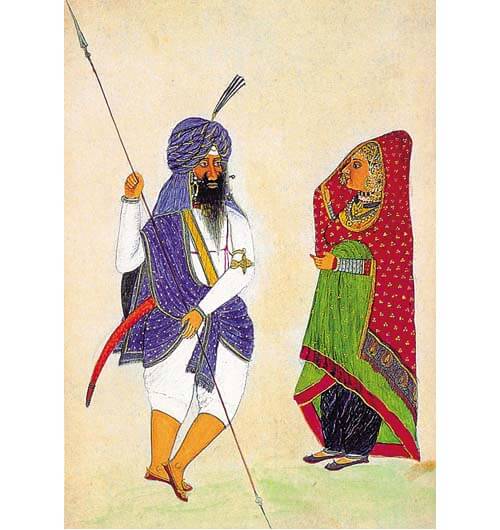
In accordance with the teaching of their Guru, the Sikhs did not attack the defenceless or the weak : this included children, women, mendicants and the elderly. Sardar Hari Singh Nalwa advised the Pathans that they could escape the wrath of an infuriated Sikh, were they to adorn the dress of a woman.
In Punjab, the shalwar kameez is feminine apparel. The shalwar is a loose trouser with a stiff border at the ankle, while the kameez was a loose shirt falling to the knees. In India, this dress came to be popularly known as the 'Punjabi suit'. In Pakistan and Afghanistan, men still wear its variant―the 'Pathan suit'.
The following is the gist of an open letter written by Miangul Aurangzeb, the Wali of Swat, to the Taliban, at the time when the Taliban were preaching and enforcing strict dress and conduct codes for the women in the areas that fell under their control :
"At the outset I want to record that you all must love me very much as you have decided not to take over my property in Swat unlike those you have taken over of other landed families. I am therefore emboldened to believe that I have the privilege of sharing some historical facts for you to know about and I urge you to absorb the same before you continue your campaign of moral policing, especially when it comes to the manner of dressing and code of conduct for women.
The Sikh army of Maharaja Ranjit Singh, under the leadership of Hari Singh Nalwa came to the Frontier in the 1820's and swiftly conquered our ancestors. It is the only time in recorded history that our people were ruled over by foreigners. The locals were so utterly terrified of the Sikh army that they used to hide every time the Sikhs came into view. Those that decided to resist were met with ruthlessness. During this time, the word was spread around that the Sikhs did not harm elderly people, women and children and that the local men who did not wish to earn wrath of the Sikhs should wear the garb of Punjabi women, which was the Salwar-Kameez. At that time in our history both men and women alike, wore only a single-robe garment (similar to that worn by the Arabs) and the Sikhs would not harm any man either when wearing the Salwar-Kameez.
So you see, our men happily adopted the garb of Punjabi women since they were too terrified to stand up and they have adopted the garb as being theirs' ever since. I am very intrigued to see that you are following in the footsteps of your ancestors by wearing the adopted Punjabi women's garb as your own, but now go around preaching and coercing our women as to how they should be living their lives! I suggest that take a deep look inside yourselves, given this historical perspective."
Sincerely,
Miangul Aurangzeb,
Wali of Swat.
Reproduced verbatim from 'Nishaan Nagaara', a magazine published by The Nagaara Trust, III/2009, p. 45.
Mistaken Identity!
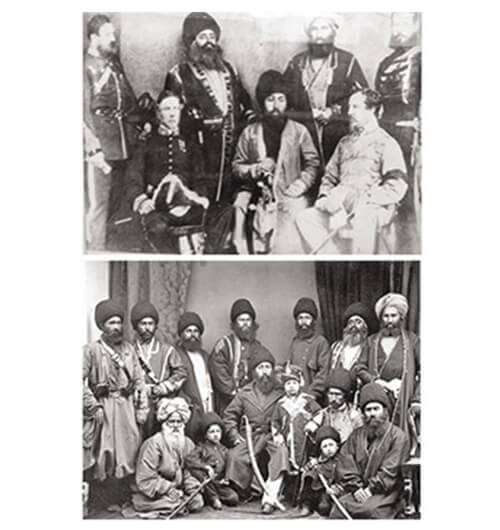
[Right, top] The photograph supposedly shows Hari Singh Nalwa in the company of Maharaja Ranjit Singh. That this was not a photograph of Hari Singh Nalwa was clear merely from the chronology of events. Hari Singh Nalwa died in 1837 at the age of 46. The supposed Hari Singh Nalwa in the picture is a young man. Though the earliest camera adapted to making a permanent image was developed in the 1820s, photography was first used in India in 1840. Moreover, the dress of those featured in the photograph did not bear resemblance to the mode of the Sikhs.
The photograph in question features Sher Ali, son of Dost Mohammed Khan, two of his advisors and four firangis. The two Afghans standing together behind Sher Ali were mistaken for Hari Singh Nalwa and Fakir Aziz-ud-din.
[Right, bottom] Amir Sher Ali Khan (seated in the centre) ruled for two spells, from 1863-66 and again from 1868-79.
Complicity of Gulab Singh
The year Hari Singh Nalwa was killed in the Battle of Jamrud, the author of Tawarikh Guru Khalsa, Giani Gian Singh, was aged fifteen. Ranjit Singh had appointed the young lad to read out the Holy Scriptures to him.
Some people believed that there was antagonism between the Jammu Dogras and Hari Singh. The revenue collection of Peshawar was in the hands of Gulab Singh Dogra. Yar Mohammed of Peshawar owed thirteen and a half lakh rupees to the Lahore Darbar. Gulab Singh colluded with the Khan. In the Battle of Jamrud, when Sardar Hari Singh was driving the enemy ahead of him, one of Gulab Singh's men in the Sikh army shot the Sardar in his back, from behind. The Sardar stooped over the neck of his horse. At the time people merely suspected Gulab Singh, but when he forgave Yar Mohammed's dues—his complicity became more apparent. Bijay Singh Dogra revealed this information. The Sikhs were greatly pained. Following this, at Gulab Singh's specific request Ranjit Singh granted him Hari Singh's territory. On seeing the treatment meted out to a great Sardar who had conquered so many lands for the Lahore Darbar, many Sikh Sardars were disheartened. Following the death of Sardar Hari Singh Nalwa, no further conquest was made in the direction of the north-west frontier.
(Giani Gian Singh 19th cent.: 390)
The Lahore Court chronicle confirms Gulab Singh's appointment to collect the revenue of Peshawar in 1835 (Sohan Lal Suri 19th cent.: III (2), f. 253). There was, however, one inconsistency in the Giani's narrative. Yar Mohammed died in 1828. The author either incorrectly referred to him, or used his name to refer to the Peshawar Barakzais in general.
Reference
Giani Gian Singh. (1892). Tawarikh Guru Khalsa, ed. K.S Raju, 1999. Patiala: Languages Department, (Gurmukhi).
Suri, Sohan Lal. (19th century). Umdat-ut-tawarikh Daftar III, Part (2), English tr. V.S. Suri, 2002. Amritsar : Guru Nanak Dev University (original in Persian).